
Event Overview
Brussels, Belgium — 25–26 June 2026
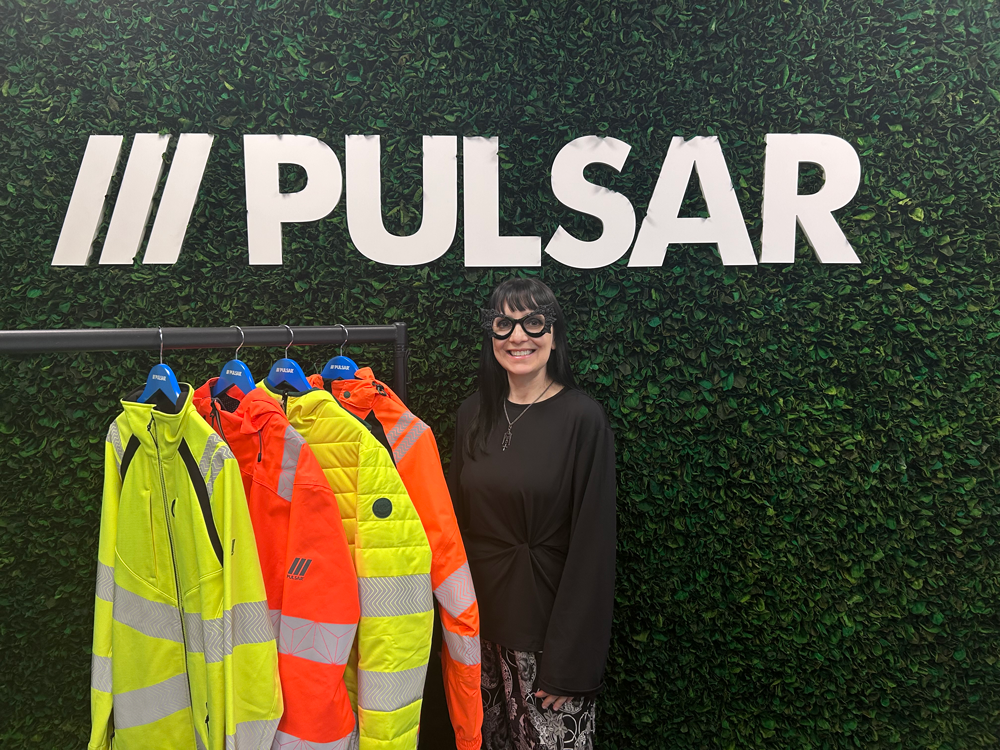
The Professional Clothing Industry Association Worldwide (PCIAW®) has announced that Debbie Huntley of PULSAR® will join its expert panel at the Textiles Recycling Expo 2026 in Brussels. The session will explore how the professional clothing industry can address the complex challenge of circularity in uniforms, workwear, and personal protective equipment.
A Focus on Circularity in High-Visibility PPE
Hosted by Yvette Ashby, CEO of PCIAW®, the panel will bring together leaders from across the textile value chain to discuss practical pathways for transitioning professional clothing systems into a circular economy. While many conversations across the industry continue to focus on fashion and retail, this panel will address the technical and operational realities of PPE and workwear, where safety standards, durability requirements, and regulatory compliance create a significantly more complex environment.
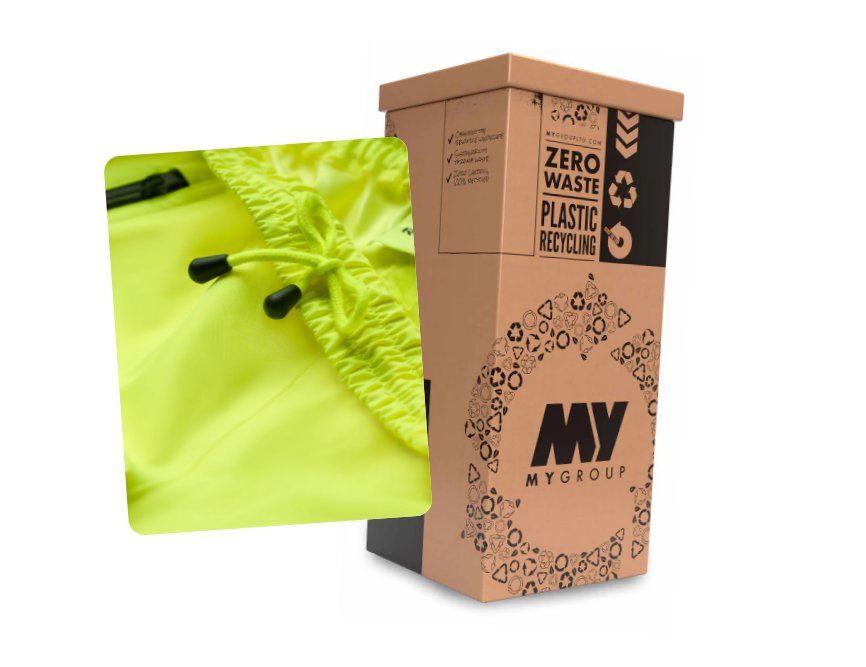
Representing PULSAR®, the discussion will focus on the challenges and opportunities surrounding high-visibility PPE. Circularity in this category is particularly difficult due to the use of multi-fibre blended fabrics and reflective tape components, which are essential for safety compliance but can limit traditional recycling processes. PULSAR® will share insight into how its LIFE range is being developed to maximise the recyclability of end-of-life garments while maintaining the performance standards required in demanding working environments.
The session will also explore how early-stage design decisions, including material selection and garment construction, directly influence a product’s ability to be recycled or repurposed. In the context of PPE, these decisions must carefully balance innovation with the need to meet strict certification and safety requirements.
Expert Insight from Debbie Huntley on Circular PPE
Debbie emphasised the importance of addressing circularity within the constraints of safety-critical design.
“High-visibility protective workwear is a global industry worth billions, though it is not always as prominent in recycling discussions as other parts of the sector. Many current pilots still focus on standard workwear, which means the unique complexities of high visibility PPE, from reflective trims to multi-fibre constructions, can be overlooked.
That said, the opportunity goes far beyond a garment’s end-of-life, which is only one part of the journey. It begins at the design stage: building in durability, thinking about ease of separation, and exploring alternative material choices. As part of our approach to circularity, we’ve been looking at mono-fibre constructions where possible to support easier recycling, while also strengthening our relationships with recycling partners so we can work more closely together on developing solutions.
This year, recycling is a key strategic focus for us. With our Life Cycle Analysis (LCA) now in place in partnership with Carbonfact, we’re in a stronger position to better understand our products and collaborate more deeply with recycling partners to identify practical, scalable solutions.
Ultimately, it’s about considering the full lifecycle; including repair, reuse, and upcycling alongside recycling. High visibility clothing presents a complex set of challenges and addressing them will require ongoing collaboration across the entire supply chain.”
Preparing for Future Regulations and Industry Change
The panel will also examine how the professional clothing sector is responding to evolving EU Eco-design and Extended Producer Responsibility regulations, and what organisations need to do to prepare for increasing expectations around product traceability, recycling infrastructure, and lifecycle accountability. The discussion will consider how circular design principles can be embedded across professional clothing, alongside the role of advanced recycling technologies for technical textiles and the importance of both fibre-to-fibre and open-loop recycling solutions.
As the industry works toward 2030 sustainability targets, the panel aims to provide practical insight for manufacturers, buyers, and uniform programme managers seeking to close the circularity gap in professional clothing systems.
The Textiles Recycling Expo 2026 brings together recyclers, textile manufacturers, brands, policymakers, and technology providers to explore innovations and solutions for reducing textile waste and building a more circular textile industry. Further information about the PCIAW® panel is available at Textiles Recycling Expo Europe.
Claim your free ticket to Textiles Recycling Expo 2026 – here



Share: