
Responsibility
Every garment we make shapes our environmental impact


Designing workwear that lasts
Impact that matters
Across the board, clothing has become increasingly disposable. People now buy 60% more garments than they did 15 years ago but wear them for only half as long*.
It’s time to rethink how we design, wear, and value workwear, because real change starts with responsibility.

Planet
Understanding our environmental impact
Over the past 30 years, carbon emissions from burning fossil fuels have significantly increased, affecting air quality and ecosystems. The clothing industry, which includes workwear, contributes up to 10% of pollution associated with these environmental pressures.
At PULSAR®, we collaborate with expert partners, including Forest Carbon, the Microfibre Consortium, Positive Planet, and CarbonFact, to better understand, measure, and actively reduce our environmental impact at every stage of the product lifecycle.
Our impact partners
Positive Planet
We work with sustainability consultancy Positive Planet to measure our carbon footprint, embed sustainability into our business practices, and build internal awareness through training and stakeholder engagement.
Through annual reporting and strategic adjustments, we’ve made significant progress over the last three years:
Progress Over 3 Years
• 2022: 688,979 tonnes of CO₂ equivalent (tCO₂e)
• 2023: 539.2 tCO₂e
• 2024: 346.8 tCO₂e
We’ve reduced our carbon footprint by 49.7% since 2022, including a 35.7% drop between 2023 and 2024. This ongoing partnership helps ensure we make informed, lasting changes that support a lower-impact, more sustainable future.
Carbonfact
Carbonfact supports our sustainability mission by accurately measuring and compiling our carbon emissions data across all stages of a product's life. This data gives us a clear picture of where our biggest environmental impacts lie, enabling us to focus on reducing emissions effectively and track our progress over time.
Why Lifecycle Analysis and Digital Product Passports Matter
Lifecycle Analysis (LCA) uses Carbon Fact’s data to assess the full environmental impact of our products, from raw materials to end-of-life. This helps us design more sustainable workwear by identifying where emissions and waste can be reduced, ensuring we make smarter choices for materials and processes.
Digital Product Passports store detailed product information digitally, including materials, production, and carbon footprint. They improve transparency and traceability, making it easier for customers, partners, and regulators to verify our sustainability claims.
Together, these tools help us reduce our carbon footprint, innovate responsibly, and build trust through transparency, which are key pillars of our ongoing sustainability mission.
Forest Carbon
We work with Forest Carbon to offset our emissions by investing in certified woodland-creation and peatland-restoration projects across the UK. Their projects not only remove CO₂ from the atmosphere but also deliver wider environmental benefits, including enhanced biodiversity, improved natural habitats, and greater climate resilience.
Since 2006, Forest Carbon has worked with businesses and landholders to fund the planting of over 13 million trees and restore 2,000 hectares of degraded peatlands, efforts expected to remove 3.3 million tonnes of CO₂e while also supporting flood mitigation and improving public access to nature.
Forest Carbon provides a credible, nature-based solution that underpins our long-term sustainability commitments.
Microfibre Consortium
The Microfibre Consortium is a global, collaborative initiative focused on reducing microfibre pollution from textiles. They bring together brands, manufacturers, scientists, and other stakeholders to research, test, and develop practical solutions that minimize the release of microfibres into the environment during the production, use, and washing of clothing.
By submitting our garments for microfibre shedding testing through the Consortium, PULSAR® is actively working to understand and reduce the environmental impact of fibre loss. This helps us improve product design,
select better materials, and contribute to industry-wide efforts to tackle microplastic pollution.
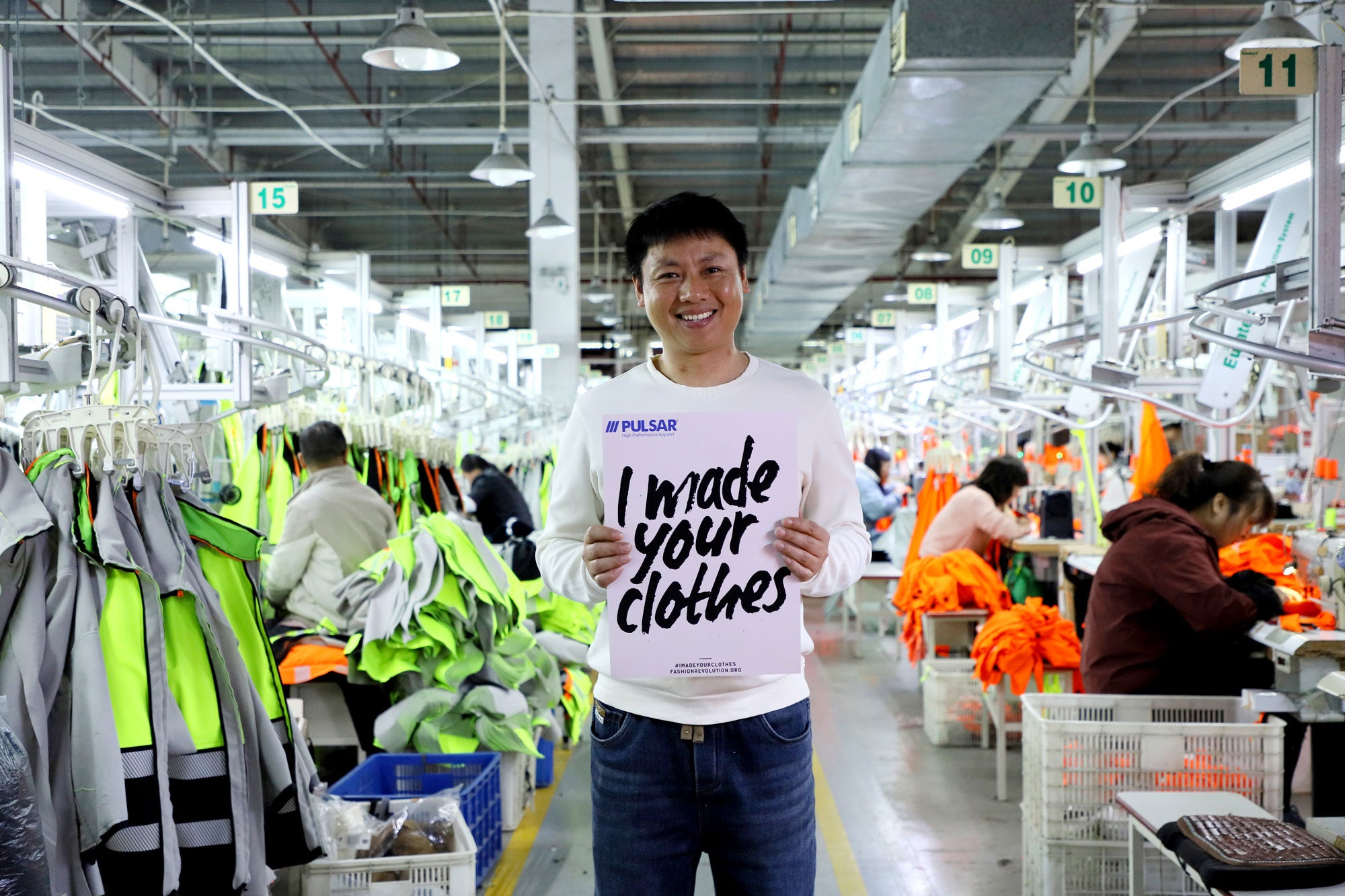
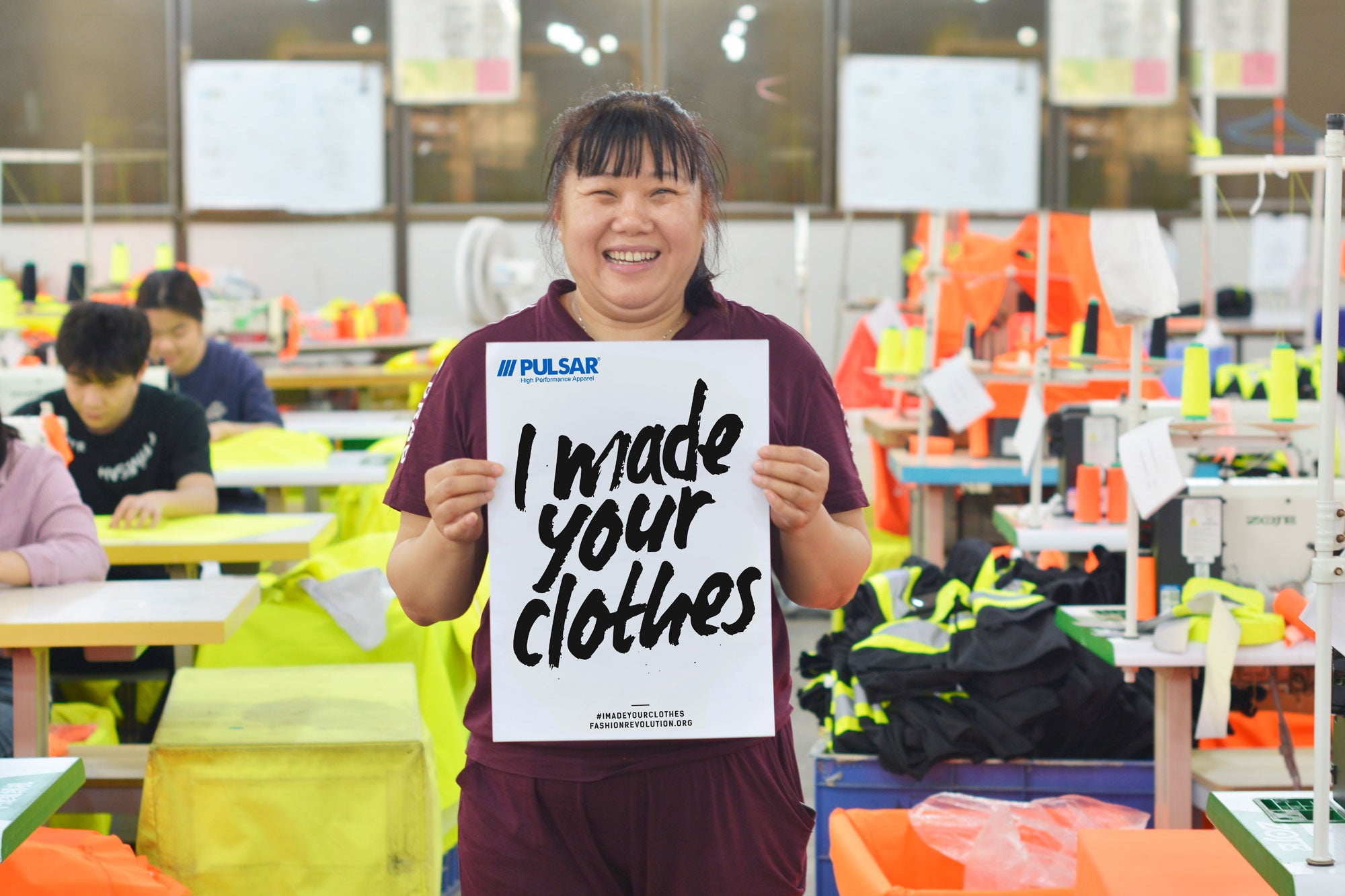
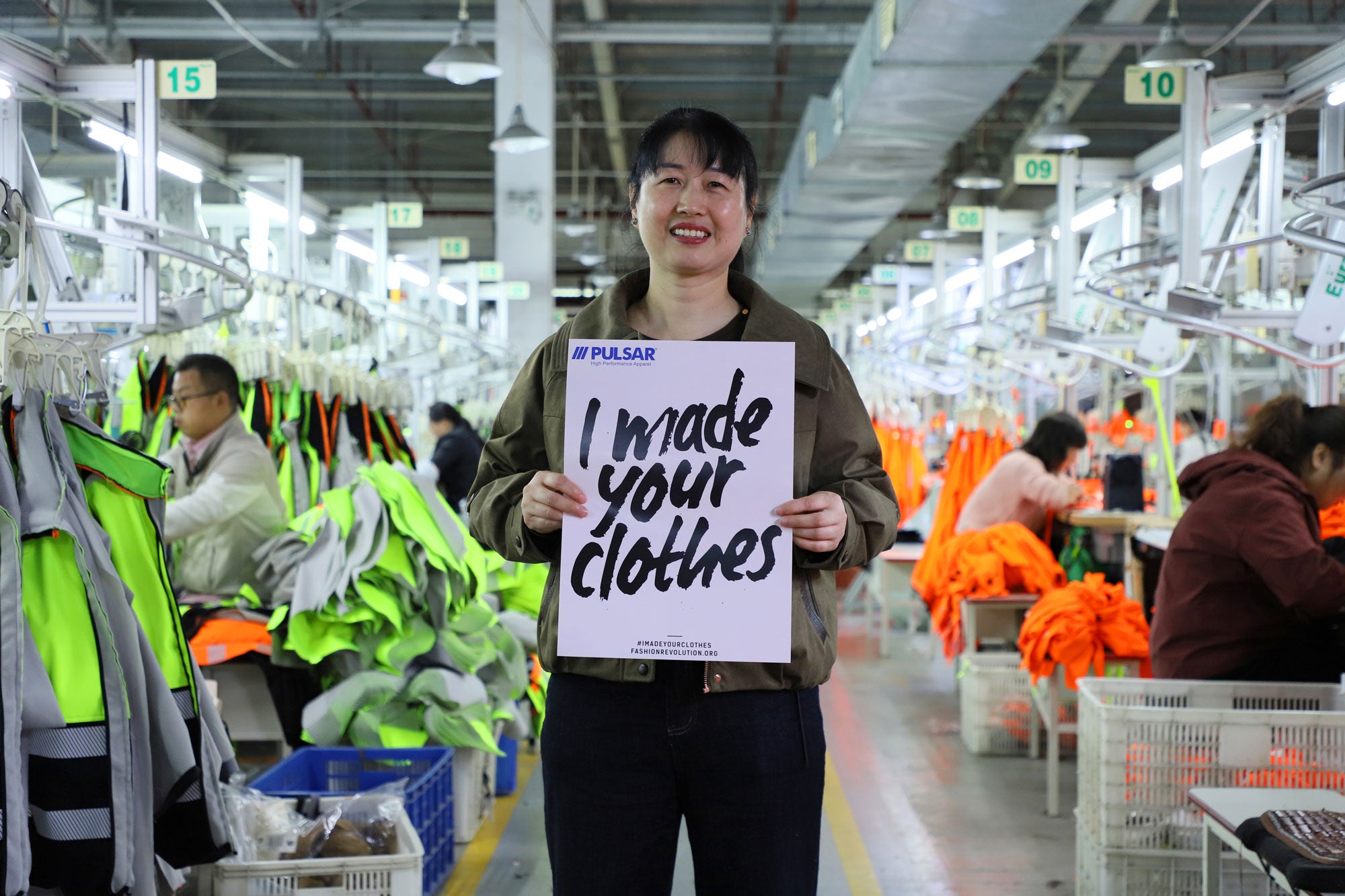
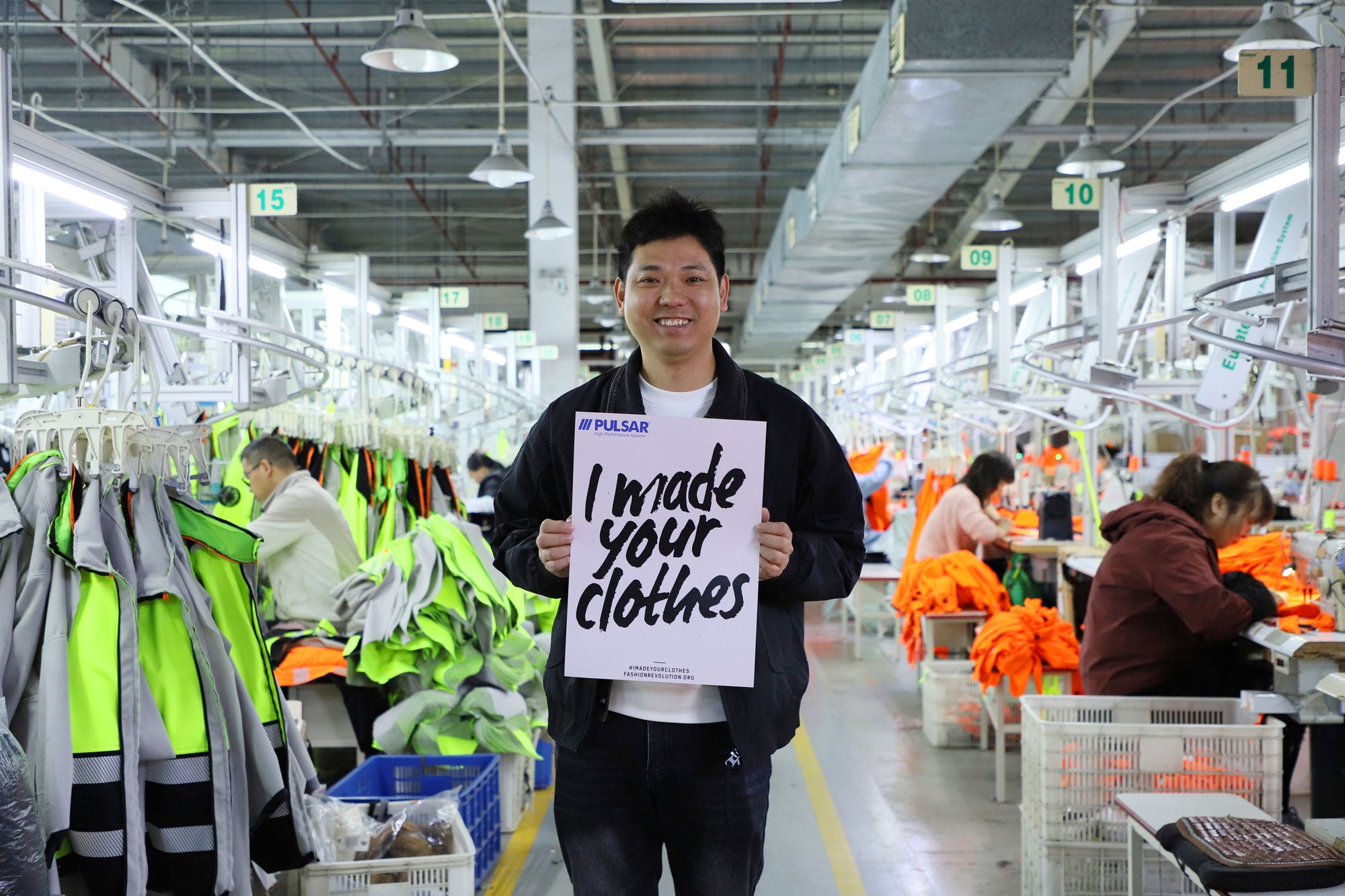
Working closely with suppliers across the globe
Supply Chain
Our garments are exclusively designed in the UK, backed by a global supply chain that sources premium fabrics, finishes, and trims from countries including Germany, the United States, China, Turkey, Slovenia, and South Korea. Our products incorporate trusted components from globally respected brands such as 3M, YKK zippers, and LYCRA®.
One of our most valued partnerships is with a key manufacturer in China, with whom we’ve built a trusted relationship spanning two decades.
We prioritize transparency, ethical sourcing, and environmental responsibility throughout our supply chain. Fair labour practices, responsible manufacturing, and the increased use of recycled materials form the foundation of our ongoing sustainability journey.
Materials
Why does the high-visibility workwear industry rely on synthetic fabric?
Polyester is currently an essential component in high-visibility workwear. To meet EN ISO 20471 certification, garments must retain their fluorescent colour and reflectivity through repeated wear and
washing. 100% natural fibre blends, such as cotton, can’t hold these dyes or finishes as effectively as polyester over time, this is especially true of the orange pigments.
Synthetic fabrics offer reliable, consistent quality across production and have key performance benefits, including durability in tough environments, moisture-wicking and quick-drying properties.
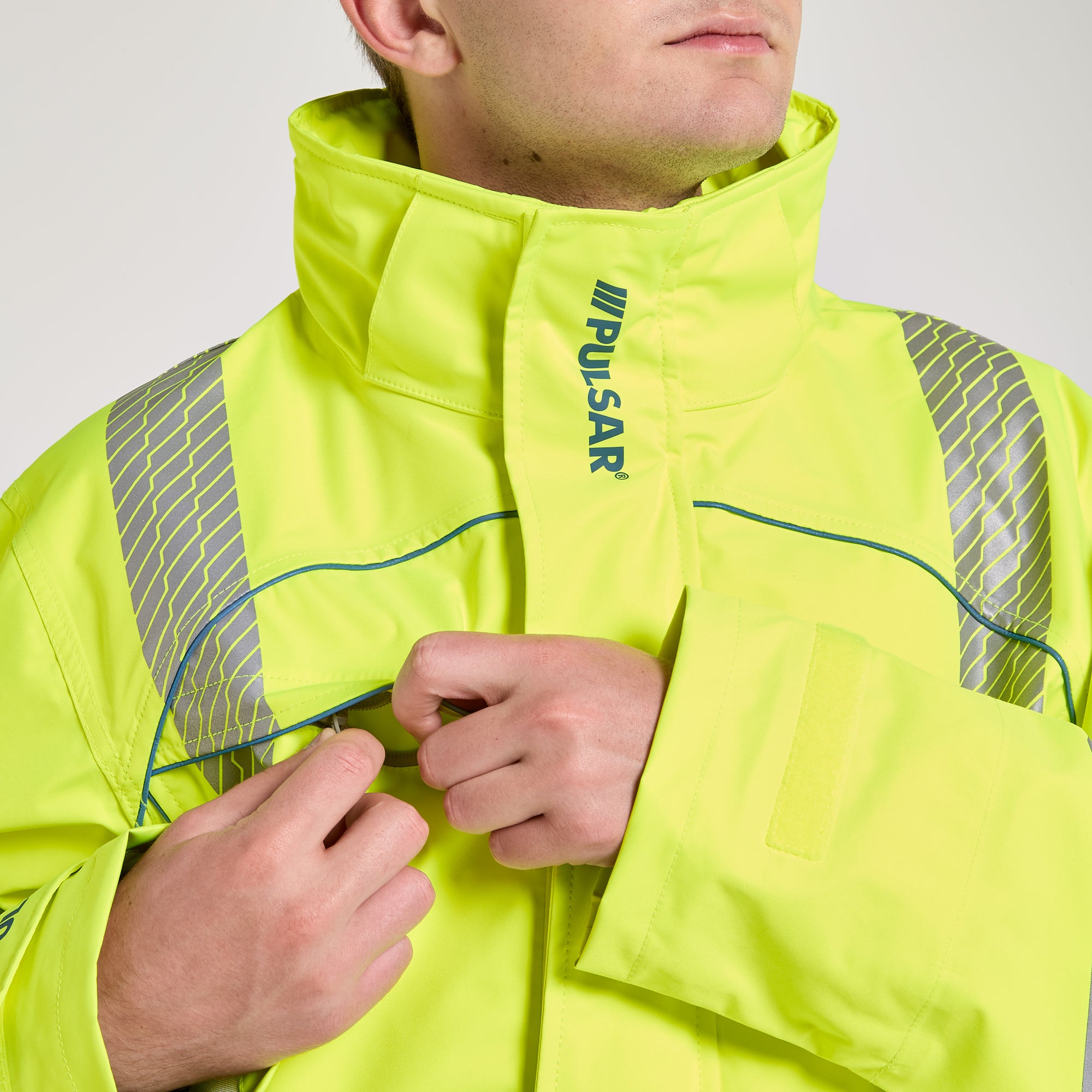
The PET to RPET journey
At PULSAR®, we’re committed to reducing our environmental impact by transitioning our garments from virgin PET polyester to recycled PET (rPET), one collection at a time.
Made from pre and post-consumer waste, rPET transforms discarded materials into high-performance fabrics without compromising quality.
- According to the Higg Material Sustainability Index (Higg MSI), each kilogram of mechanically recycled polyester cuts greenhouse gas emissions by over 70% compared to virgin polyester.
By making the switch, we support a circular economy and contribute to a more sustainable future for workwear.

Global Recycled Standard (GRS)
At PULSAR®, every garment containing recycled polyester is made using GRS-certified fabric. The Global Recycled Standard (GRS), led by Textile Exchange, is a robust international certification that ensures recycled materials are authentic, responsibly sourced, and traceable from origin to finished product.
GRS goes beyond verifying recycled content by also ensuring climate-conscious production, banning the use of harmful chemicals, and enforcing strict environmental and social criteria at every certified site. Each stage of the supply chain is independently audited to guarantee transparency and credibility.
By using GRS-certified recycled polyester, we align with globally recognised definitions of "recycled", help reduce the impact of textile production on people and the planet and give our customers confidence in the sustainability of the workwear they choose.
Durable by Design
When designing workwear, we focus on creating hard-wearing, durable garments built to withstand tough conditions and extended use. This significantly reduces environmental impact by minimizing the need for frequent replacements.
By combining long-lasting materials with garment manufacturing techniques such as DWR finishes for stain protection, antimicrobial treatments, reinforced knee and hem patches, and triple-stitched seams in some garments, we help extend the lifespan of our products. Durability and resilience is central to our mission of sustainability.
Bamboo Fibres
We’ve introduced bamboo into our LIFE collection as part of our ongoing efforts to explore lower-impact material choices. Bamboo fibres are sourced from a fast growing plant and are valued for their softness, breathability and comfort. By incorporating bamboo-based fabrics, we aim to reduce reliance on fossil-fuel-based fibres, while continuing to improve the overall performance and feel of our garments.
C0 PFAS-Free Finishes
We use C0 PFAS-Free DWR treatments in our REACT and LIFE collections to reduce harmful environmental and health impacts, choosing safer, more responsible alternatives that still deliver the performance our products require.
Packaging
Working with the experts towards a better tomorrow
We work closely with Rudholm Group to deliver eco-conscious packaging solutions across our collections, for greater sustainability and reduced environmental impact.

Our packaging features:
- Hemp twine used to attach hang tags
- FSC-certified card, soy-based inks used on all hang tags
- Polybags made from 100% recycled LDPE
- Polybags include BDP® organic biotechnology, enabling biodegradation in anaerobic environments such as landfill and oceans
- Water-based glue used on polybags instead of solvent-based adhesives
Recycle and Reward Scheme
Recycle the old and save on the new
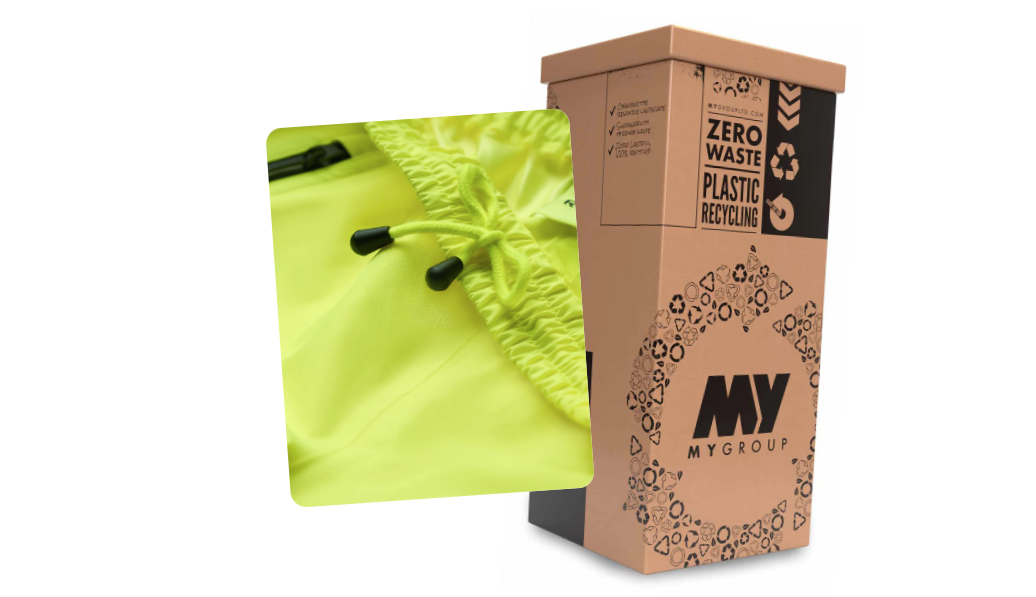
Give your high-visibility workwear a second life with the PULSAR® Recycle and Reward Scheme. Simply return your used garments and receive rewards, including a 20% discount on new PULSAR® gear exclusively from www.pulsaruk.com to replace them.
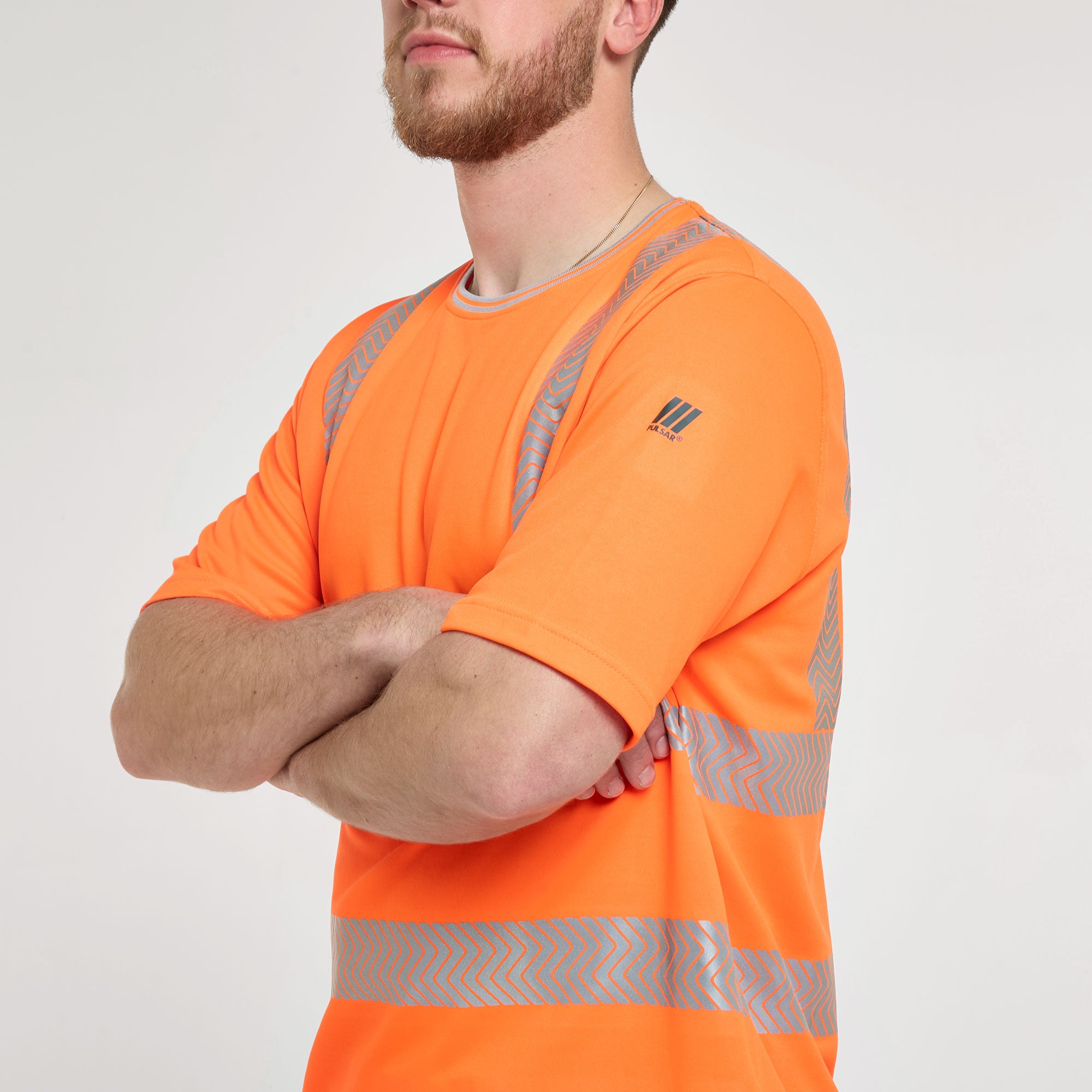
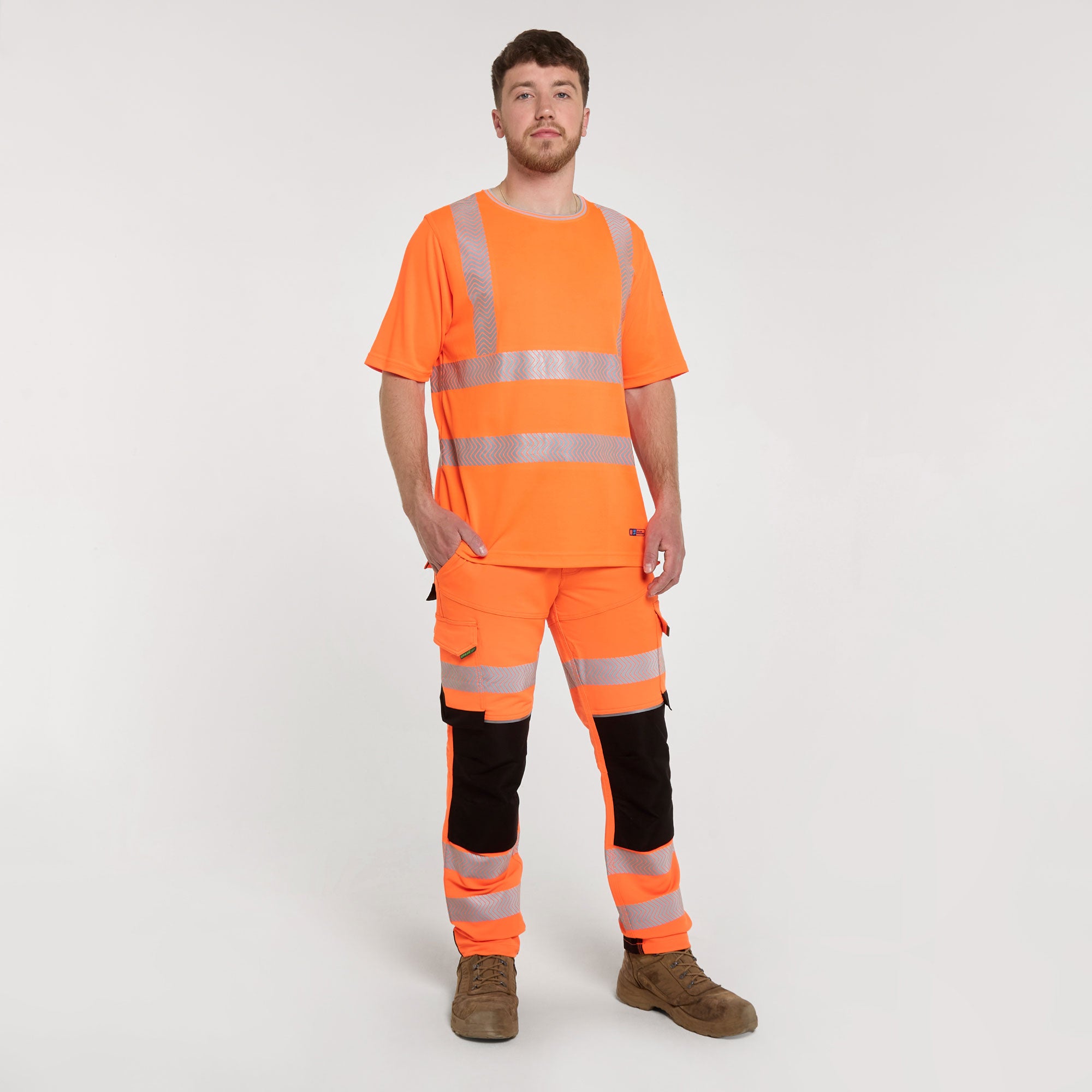
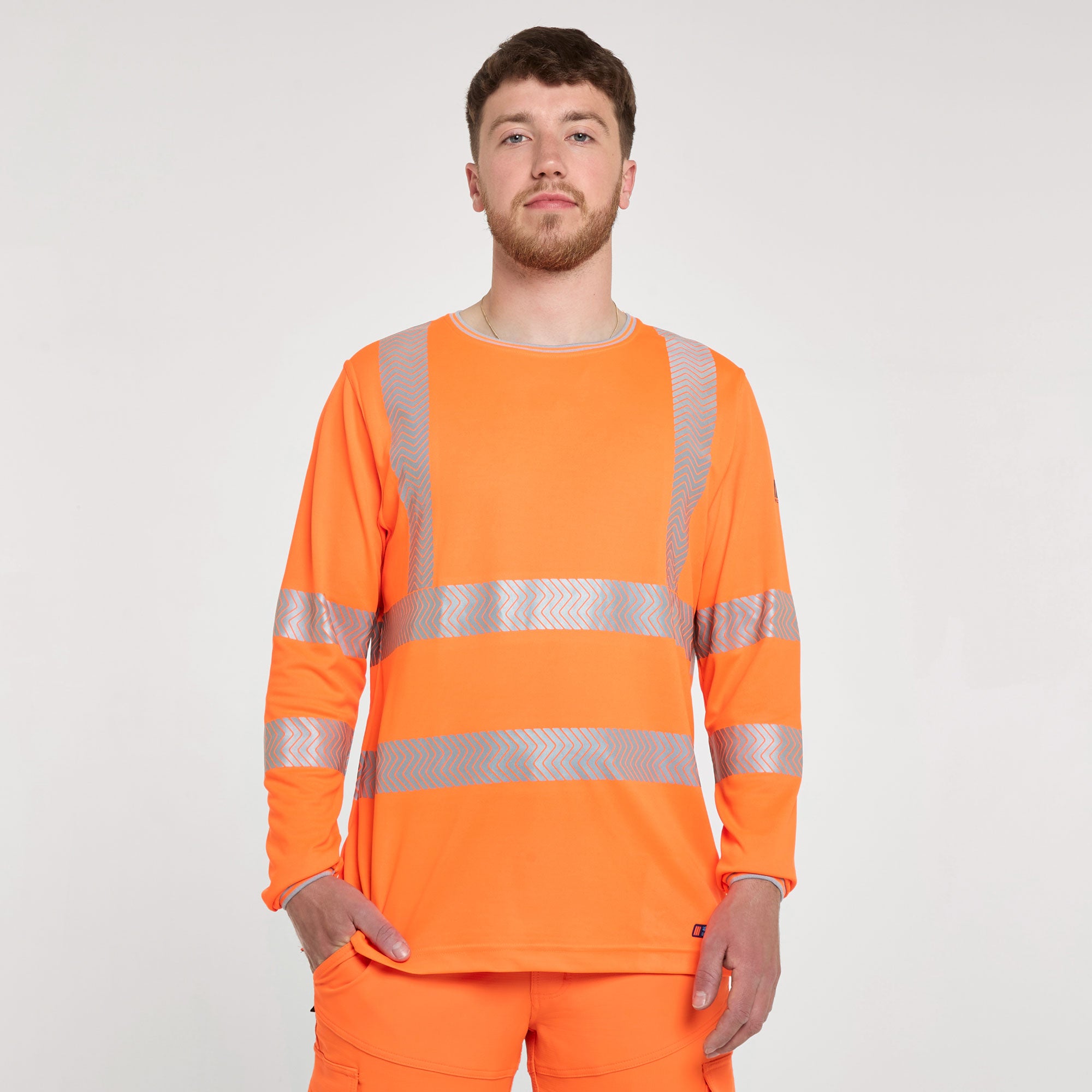
PULSAR® LIFE, Eco-Conscious Collection


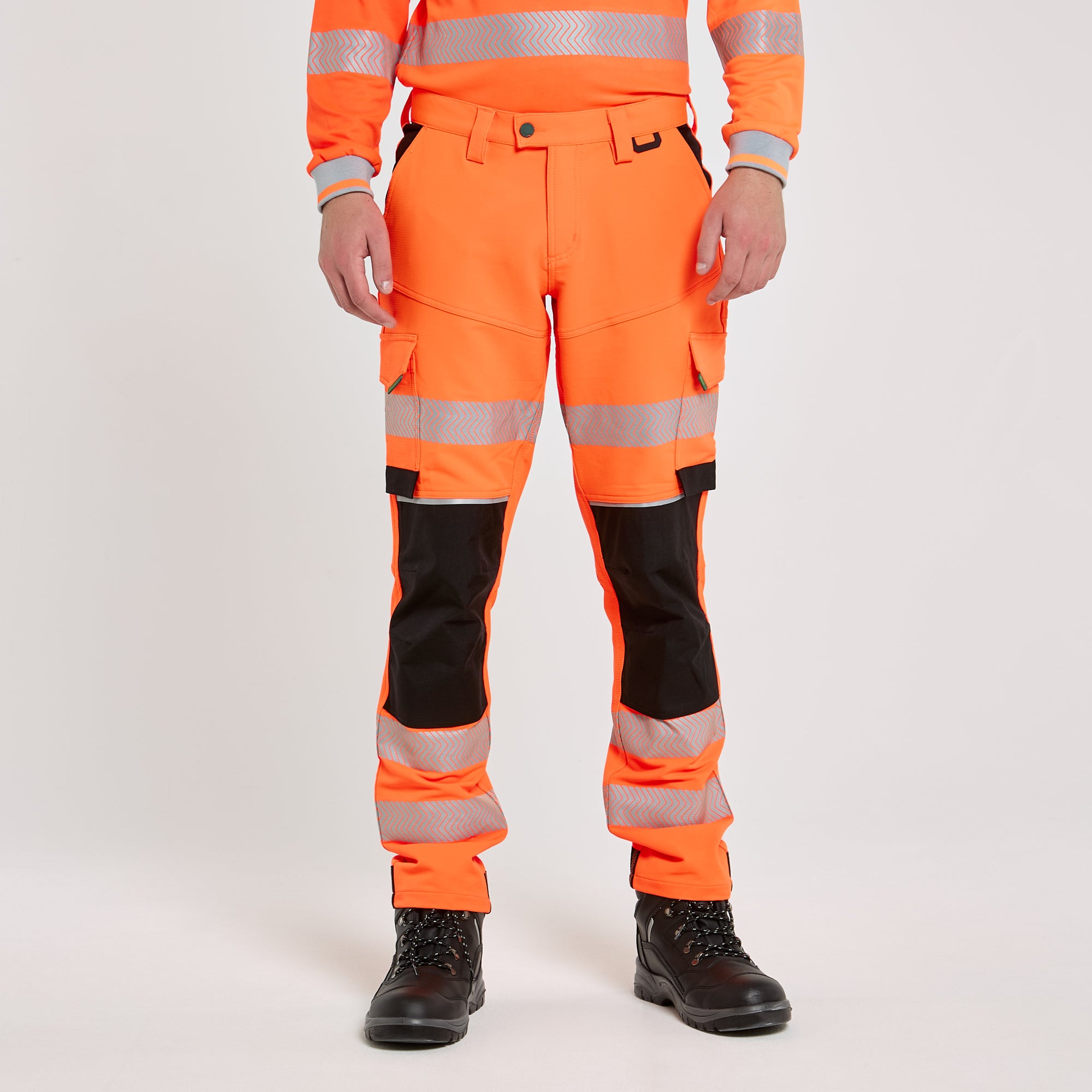
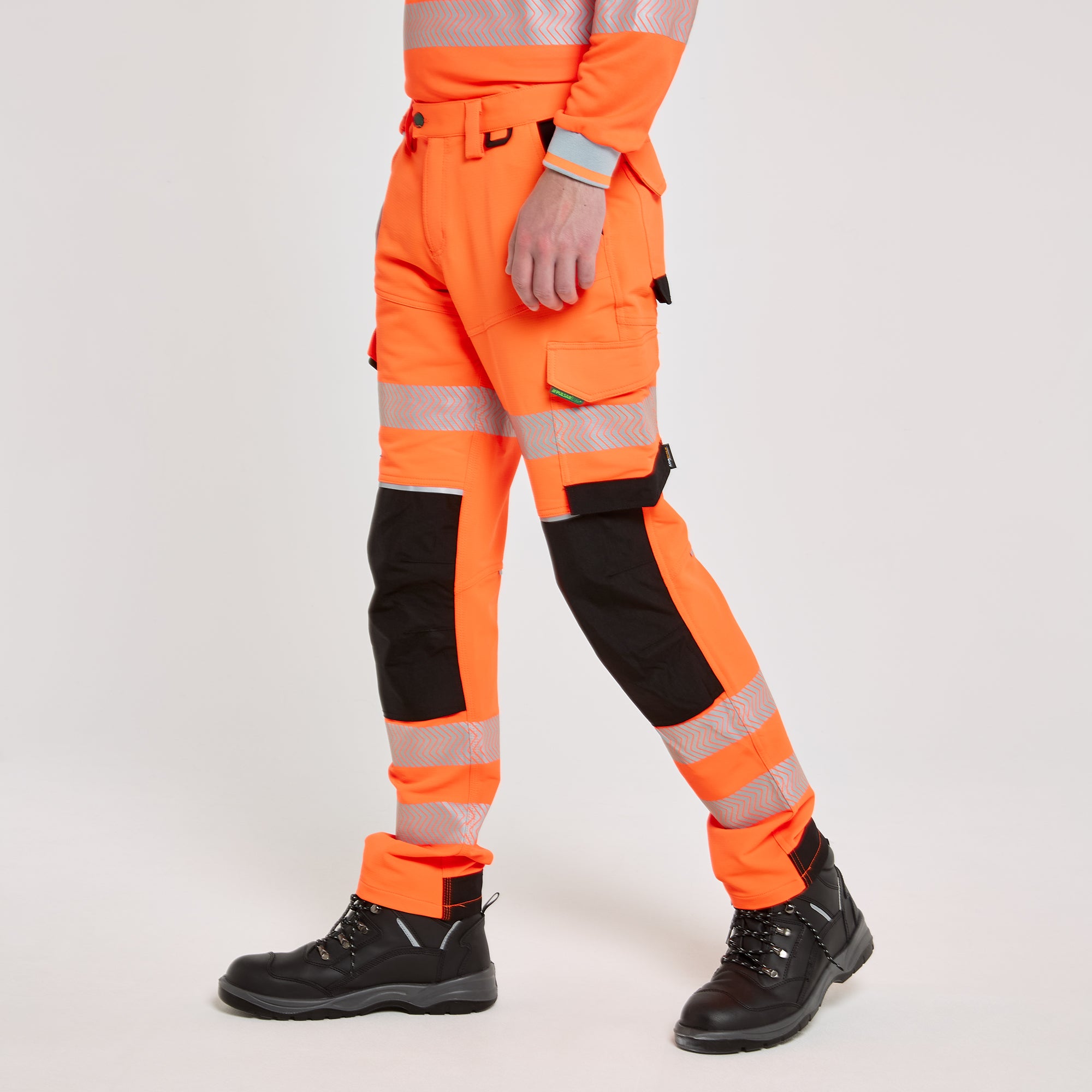
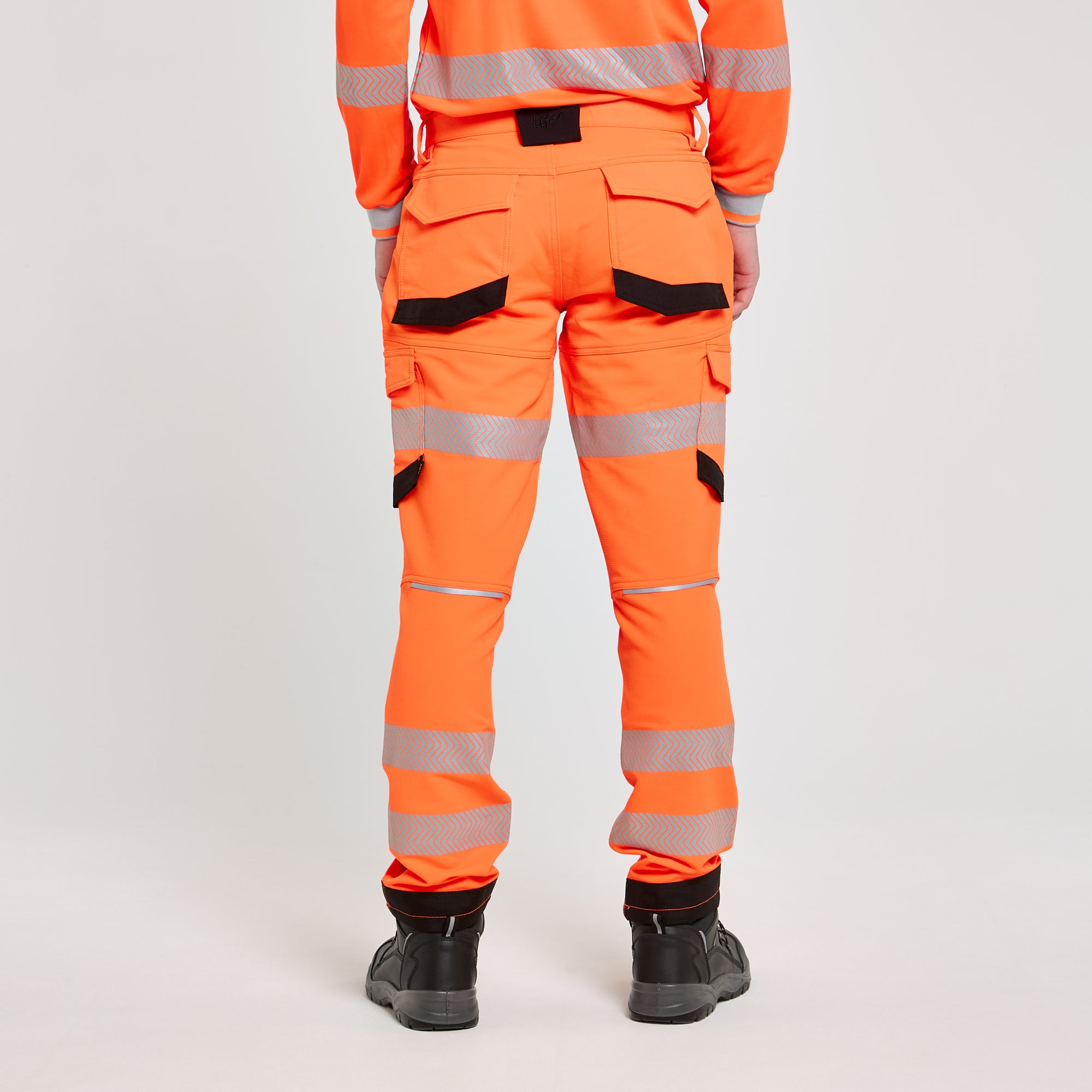
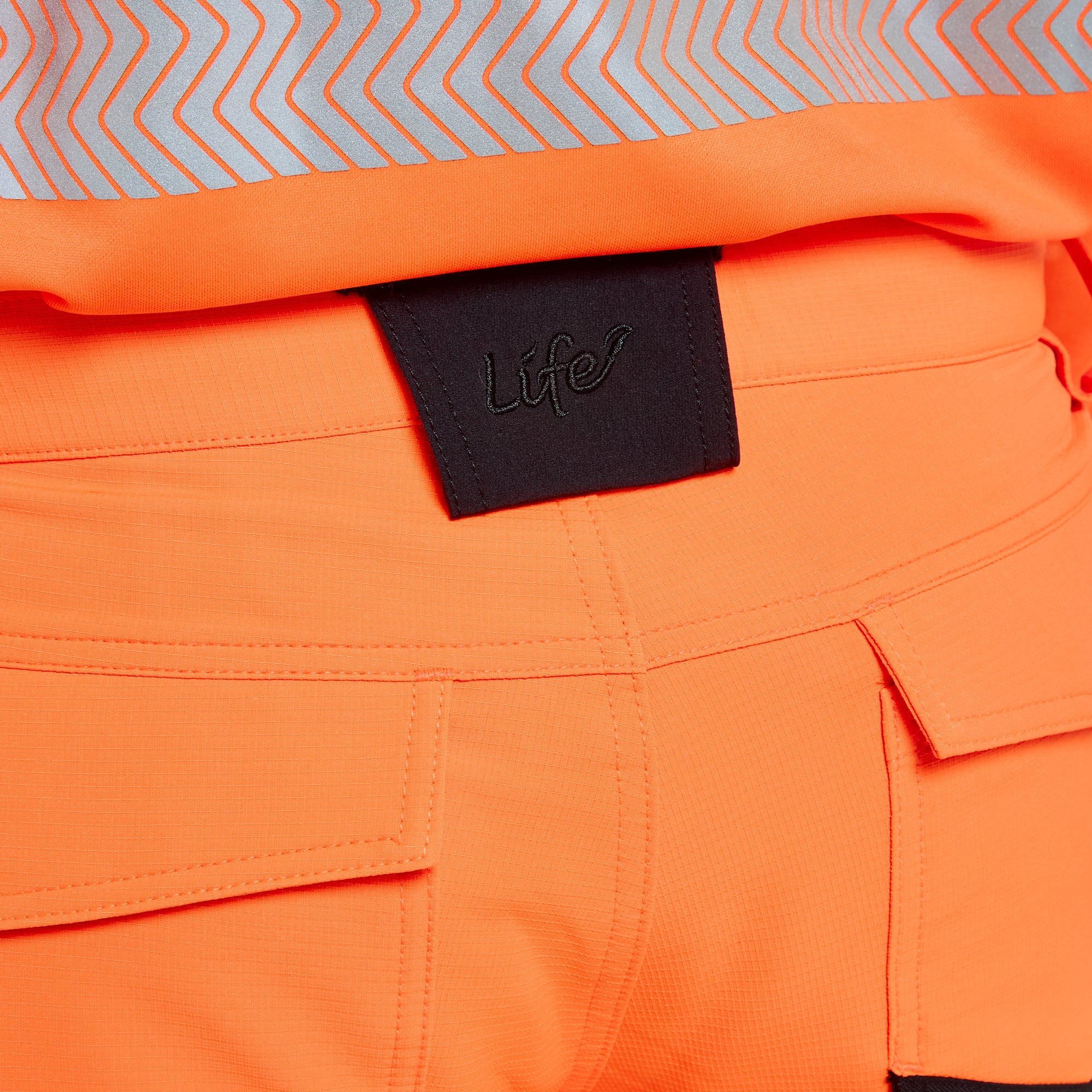
Stretch Combat Trousers Orange
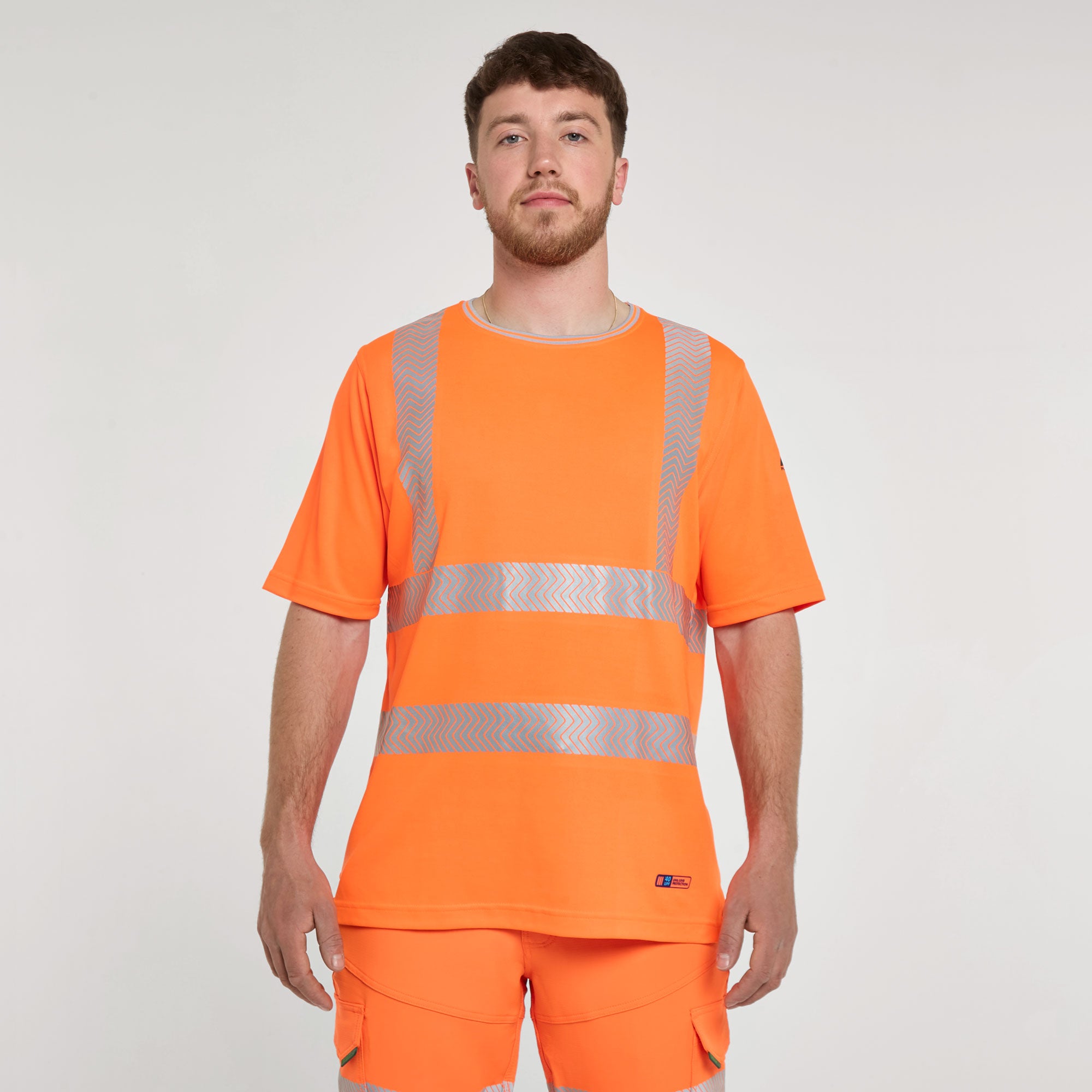
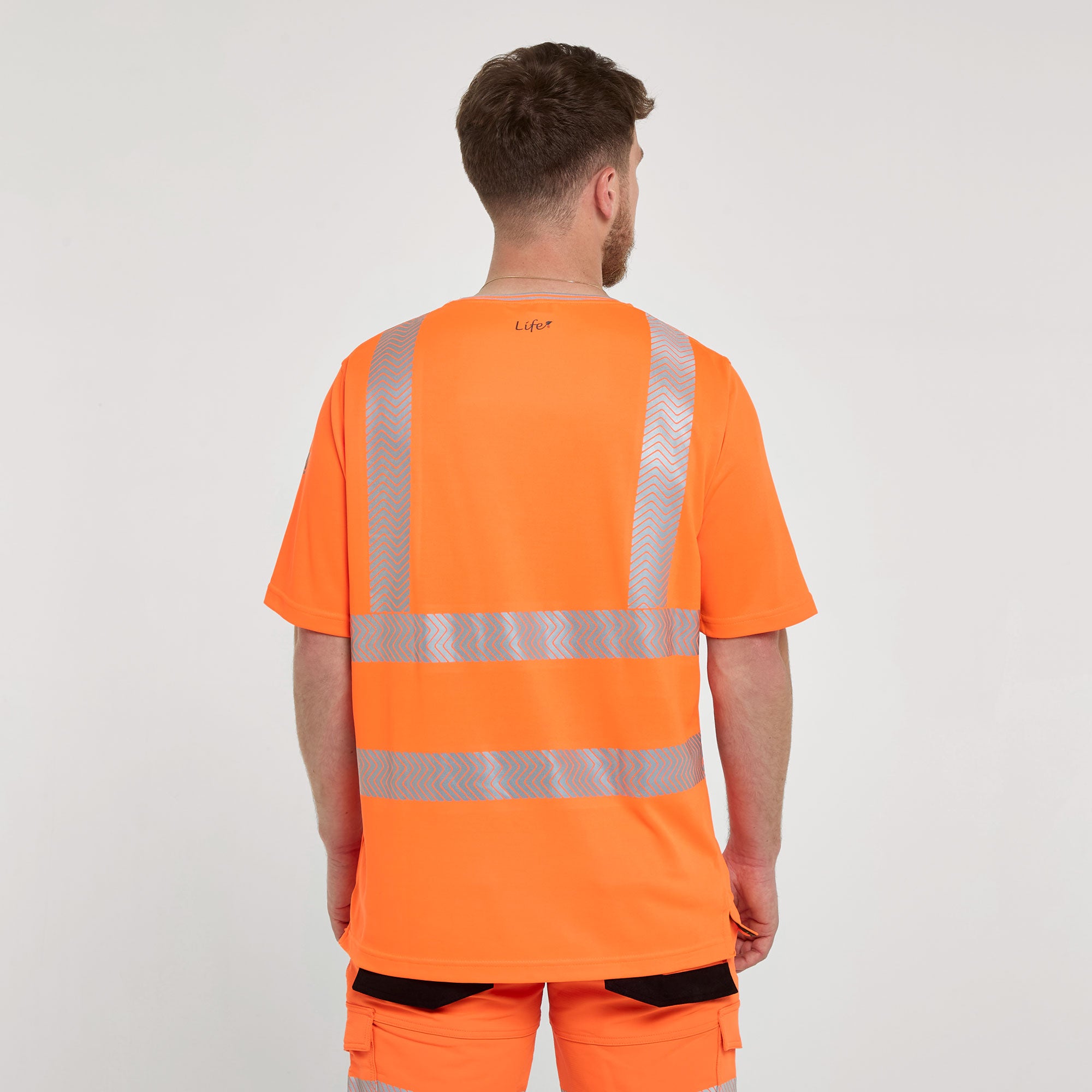


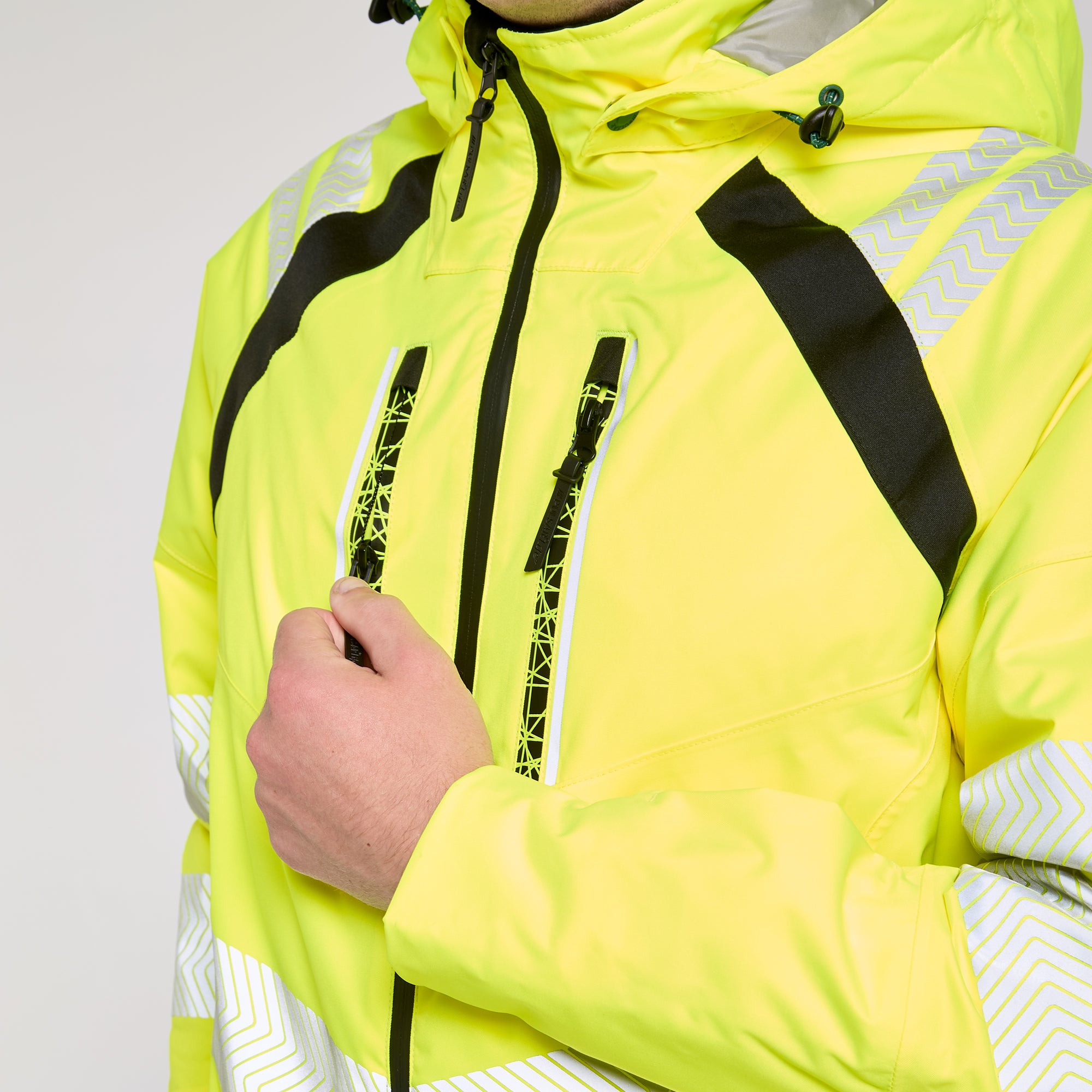


Stretch Combat Trousers Yellow


*Source: McKinsey & Company, 2016