

In celebration of Earth Day 2026, we are announcing the launch of our latest sustainability initiative: the Recycle and Reward Scheme, a practical step towards reducing waste and promoting a circular approach to personal protective equipment (PPE).
The scheme encourages wearers to return used high-visibility workwear, giving garments a second life while earning rewards. Participants who recycle their items will receive a 20% discount on new PULSAR® products, helping them upgrade their PPE responsibly.
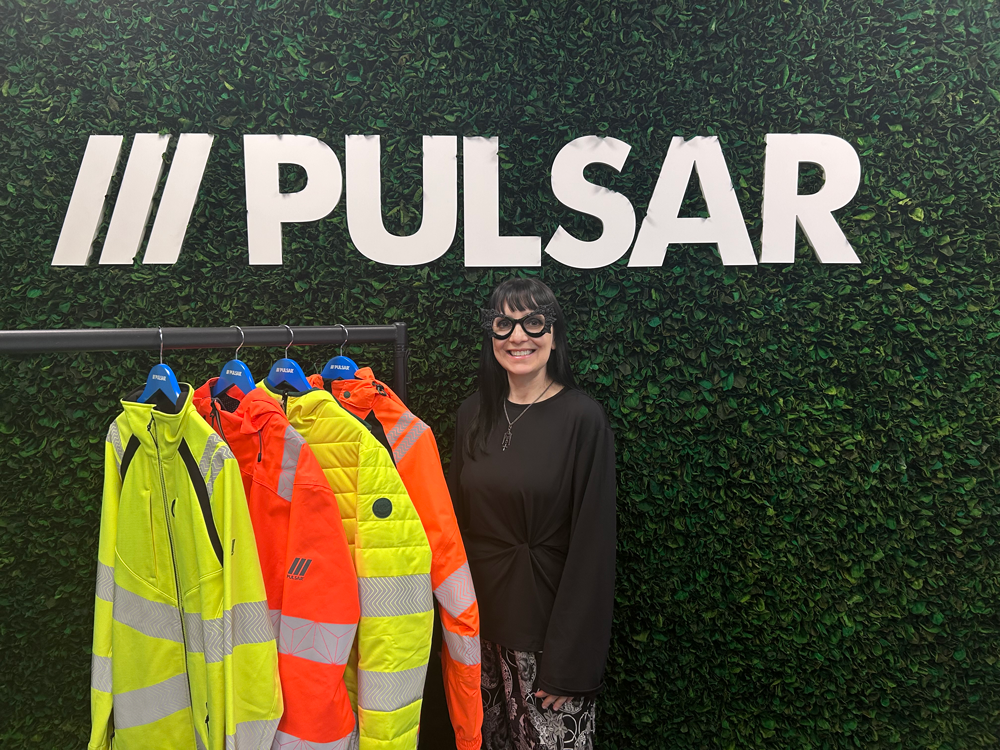
Debbie Huntley - Sustainability Manager for PULSAR® explains, “Over recent years, we’ve made significant progress in reducing our carbon footprint and increasing the use of recycled materials across our collections. The next step is to work towards a closed-loop system by embedding circularity across the entire product lifecycle through the implementation of this take-back scheme. This initiative is about more than intention; it’s about taking real, practical action and making it easier for our customers to be part of that journey.”
Get Involved
Participants can begin by completing the online form and returning their used garments to PULSAR®’s Worcester HQ or via post. Full details are available here
Importantly, the scheme accepts all high-visibility clothing, not just PULSAR® products, making it an inclusive initiative that benefits the wider industry.
MYGroup Partnership

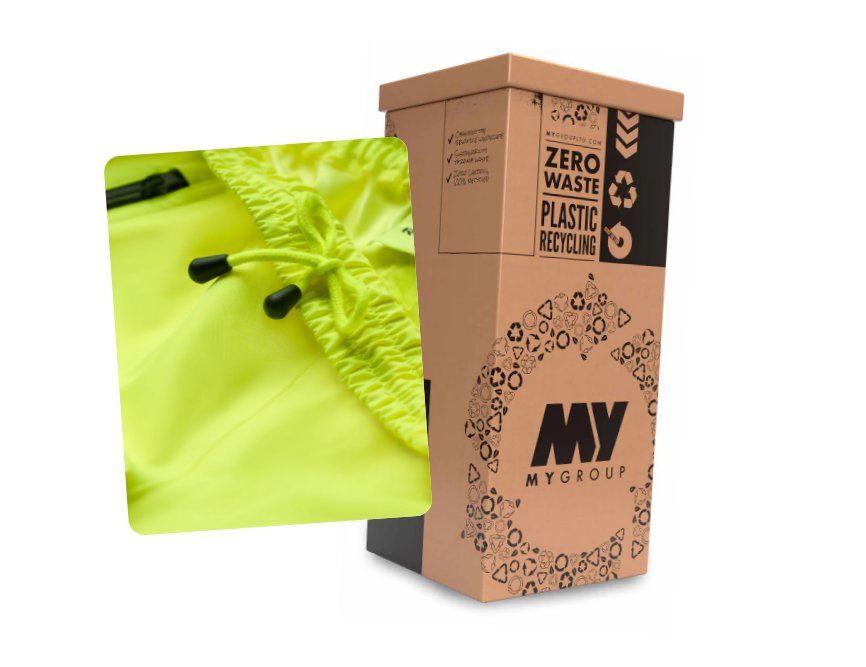
By partnering with MYGroup, a trusted recycling specialist, PULSAR® ensures that returned garments are processed sustainably, diverting materials away from landfill and contributing to resource conservation.
Fibre-to-fibre recycling represents a critical shift in how the textiles industry approaches this issue; moving away from a linear “use and dispose” model towards a truly circular system. Recovering fibres from end-of-life garments and reintroducing them into the production cycle preserves the embedded value of materials, energy, and labour that would otherwise be lost.
Initiatives led by organisations such as MYGroup demonstrate how innovation and industry partnerships can turn this concept into a scalable reality, particularly in high-waste sectors like PPE. While challenges remain, fibre-to-fibre recycling offers a clear pathway to reducing landfill dependency, lowering demand for virgin resources, and building a more resilient textile supply chain for the future.



Share: